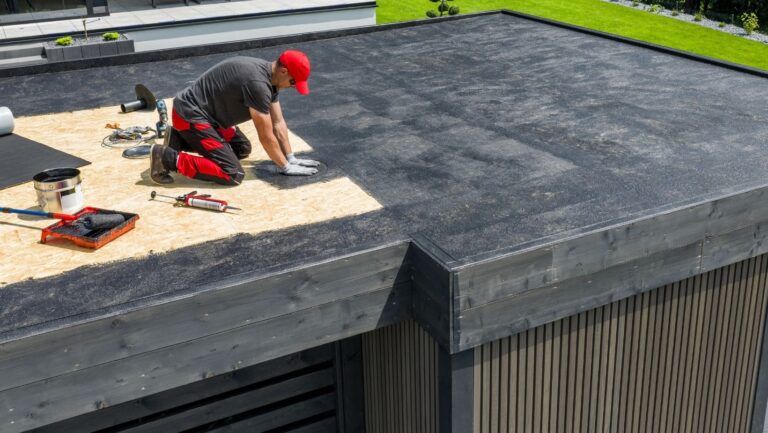
Flat and low-slope roofs are common on commercial buildings and modern homes because they are practical and cost-effective. However, they lack the natural gravity assist that a steep-pitched roof provides for water runoff. This is why internal drainage systems are so vital to the health of the structure. If you notice water pooling or drains backing up, you might need a professional roof repair midway service to address the issue before it gets worse. Keeping these drains clear is the only way to prevent a minor plumbing clog from turning into a major construction project.
The Physics of Ponding Water
When internal drains get blocked by leaves, trash, or gravel, water has nowhere to go. It begins to collect in the low spots of the roof membrane, a phenomenon known as ponding. While modern roofing materials are designed to be water-resistant, they are not intended to act like a swimming pool liner.
Standing water creates a heavy load that the building was likely not designed to carry for long periods. One inch of water across a large roof can add thousands of pounds of extra weight. This weight causes the roof deck to deflect or bow downward. As the deck sags, it creates an even deeper bowl for more water to collect. This cycle continues until the structural integrity of the roof is compromised.
Damage to the Roofing Membrane
Internal drains are usually located at the lowest points of the roof. When these overflow, the water sits against the seams and flashings of the roofing system. Most low-slope roofs use materials like TPE, EPDM, or modified bitumen. While these are durable, constant submersion leads to premature degradation.
Water is a solvent. Over time, standing water can break down the adhesives used at the seams. Once a seam begins to lift, water can travel underneath the membrane. This saturates the insulation boards below. Wet insulation loses its R-value, making your energy bills spike, but more importantly, it rots the roof from the inside out. You might not even see a leak inside the building until the entire substrate is a soggy mess.
The Freeze-Thaw Threat
If you live in a climate where temperatures drop during the night, overflowing drains become even more dangerous. When water gets trapped on the roof or inside a clogged drain pipe and freezes, it expands. This expansion can crack drain bowls and split the metal or plastic piping inside your walls.

As the ice thaws and refreezes, it acts like a slow-motion jackhammer. It can tear the flashing away from the drain assembly. Once the seal between the drain and the roof membrane is broken, every future rainstorm will send water directly into the building structure. This often leads to mold growth inside the walls and ceiling cavities which is expensive and difficult to remediate.
Debris and Organic Growth
An overflowing drain is usually a dirty one. When water sits for days or weeks, it becomes a breeding ground for algae, moss, and even small plants. The roots of these plants can actually penetrate the roofing membrane in search of moisture.
Furthermore, the silt and dirt that settle at the bottom of a ponding area act like sandpaper. As the roof expands and contracts with the daily sun cycle, the grit rubs against the membrane. This creates thin spots and eventually holes. A clean roof is a dry roof, and a dry roof is a long-lasting roof.
Regular Maintenance Is Key
The best way to avoid these headaches is by following a simple maintenance schedule. You should check your internal drains at least twice a year and after every major storm. It only takes a handful of wet leaves to create a dam that threatens your entire investment.
Clearing the strainers and checking for signs of backup can save you tens of thousands of dollars in premature replacement costs. If you see signs of “alligatoring” on the membrane or notice that the water takes more than 48 hours to disappear after a rain, it is time to call in the experts.
Final Word
Ignoring your drainage system is the fastest way to ruin a perfectly good low-slope roof. Water is patient, and it will eventually find a way into your building if it is not directed off the surface properly. If you are worried about the state of your drainage or see signs of standing water, reaching out for a roof repair midway service can provide the peace of mind you need. Protect your building by making sure your drains are always ready for the next downpour.